 Image 1 of 3
 Image 2 of 3
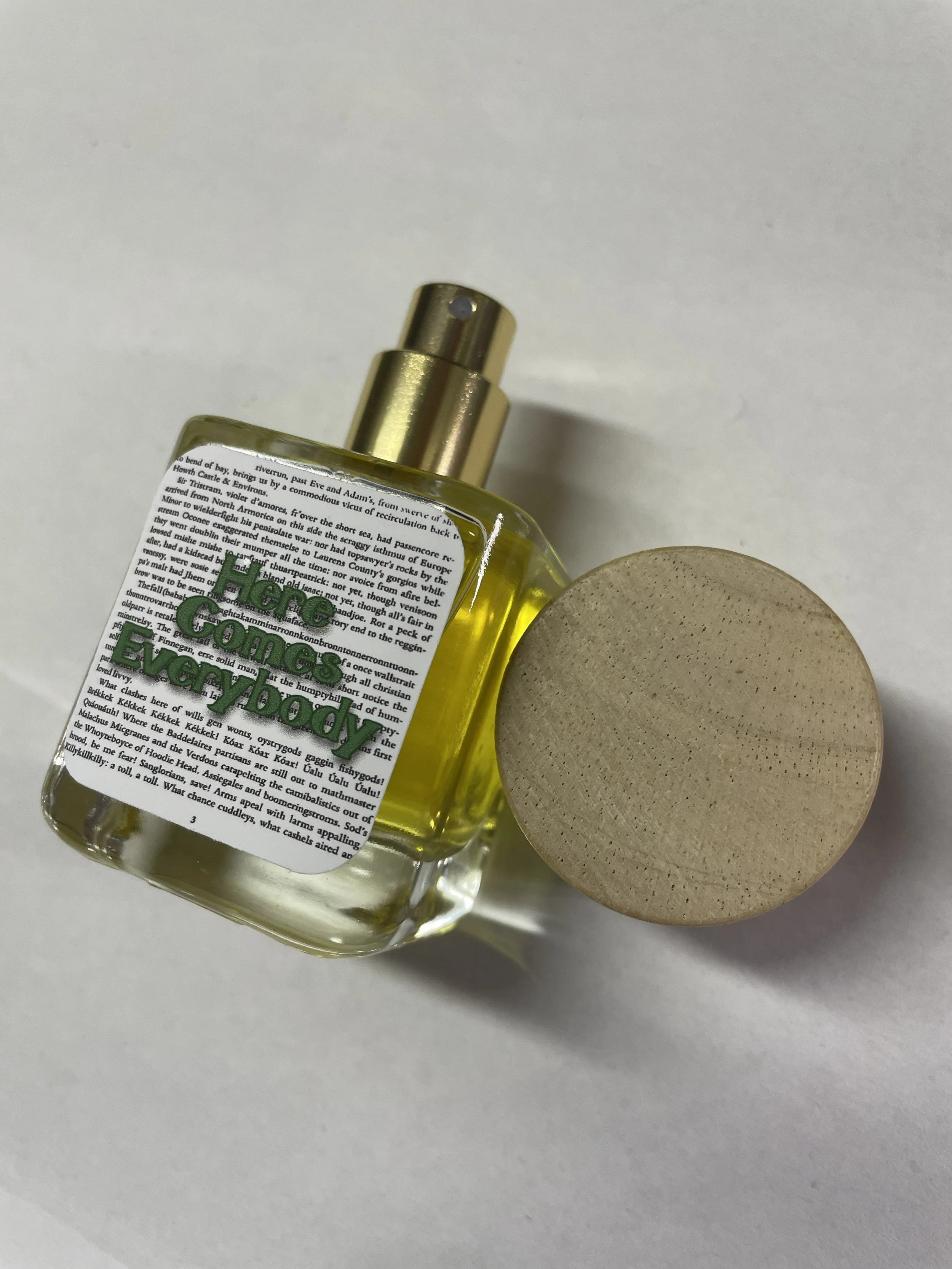 Image 3 of 3
Parfum Extrait
Rose de Mai, Honey, Banana, Cognac, Ylang Ylang, Cumin, Clove, Hawthorn, Atlas Cedar, Mysore Sandalwood, Walnut, Golden Ambergris, Deer Musk, Frankincense, BenzoinI want to say the first part of this is warm. Honey, banana, cognac, a fruit bowl and a bottle left out. But nothing I am smelling has a temperature. The paper is the temperature of the room. So what is the word doing? Perhaps it means that the honey smells as honey would if it had been standing in the sun. That is a comparison, and I can check it: honey in a cold pantry does not make me think of warmth, so the word cannot belong to honey alone.
Now cedar. People call cedar warm, and I would too, but it is nothing like the honey. It is dry and a little splintery, and the warmth consists in the dryness. So “warm” has been given to a sticky thing and a dry thing, and I would not swap them. Clove and cumin are called warm as well, which is a third use (they are called warm because of the mouth, not the room).
Is there anything here I would call cool? Perhaps the frankincense. But I only reach for “cool” when I have been saying “warm” for some time, and then I am looking for a contrast, not reporting the smell. If I smelled the frankincense alone, I am not sure the word would come.
Dedicated to: finnegans wake by James Joyce